
Understanding Dental Bridges for Missing Teeth in Baton Rouge, LA
Family Dentistry That Goes Above and Beyond
Discover the Baton Rouge Dental Office That Gives You the Attention You Deserve
A missing tooth changes more than your smile. It affects how you chew, how you speak, and how confident you feel in everyday conversations. A bridge is a fixed restoration that closes the gap left by one or more missing teeth, anchoring an artificial tooth to the healthy teeth on either side so you can eat, talk, and smile without hesitation. At O’Shee Family Dentistry, we help patients understand exactly how this treatment works so they can make a confident, informed decision about their care.
Many patients come to us feeling a little uneasy about the idea of a multi-step dental procedure, and that is completely normal. Dr. O’Shee and his team take the time to explain each part of the process in plain language, answer every question, and make sure you feel comfortable before, during, and after your visit. Whether this is your first restoration or you have had dental work before, our goal is to make the experience as relaxed and reassuring as possible.
This Article Will Address
- What a fixed bridge is and how it is built
- The situations where a bridge is usually the right choice
- What happens during the bridge process, step by step
- How long a well-cared-for bridge typically lasts
What Is a Dental Bridge?
A bridge replaces one or more missing teeth by anchoring an artificial tooth to the natural teeth on either side of the gap. Those anchor teeth, called abutment teeth, are reshaped to hold crowns, and the false tooth sitting between them, known as a pontic, is custom-made to match the size, shape, and shade of your surrounding teeth. Together, these pieces form one fixed, cemented unit rather than something you take in and out.
- Abutment teeth: the natural teeth reshaped to anchor the bridge on each side of the gap
- Pontic: the artificial tooth that fills the space and blends with your smile
- Traditional design: the most common setup, using crowns on the adjacent natural teeth
- Implant-supported design: uses dental implants instead of natural teeth when more support is needed
Because the whole piece is cemented into place, a bridge functions like your natural teeth from the day it is placed. Most bridges are made from porcelain, a porcelain-fused-to-metal combination, or zirconia, all of which are shaded to match your existing teeth so the restoration blends in rather than standing out. Dr. O’Shee reviews these material options with you during your consultation and recommends the combination of strength and appearance that best fits your bite and your smile goals.
For patients whose adjacent teeth are not strong enough to serve as anchors, our team also offers dental implants as a supportive option, so the bridge itself has something secure to rest on. Bridges are one part of the broader restorative dentistry services we offer, alongside fillings, crowns, and dentures, and Dr. O’Shee will help you understand how each of these treatments fits together if you need more than one.
When Is a Bridge Recommended for Missing Teeth?
A bridge is usually recommended when you are missing one or more teeth in a row and the surrounding teeth are healthy enough to support crowns. Tooth loss happens for a number of reasons, and Dr. O’Shee will walk you through which option fits your situation best during a consultation, drawing on our full range of dental services to build the right plan for you.
- Untreated decay that eventually led to an extraction
- Gum disease that has loosened or claimed a tooth
- An injury or accident that knocked out a tooth
- Natural wear that has compromised a tooth over time
Any one of these situations can leave you avoiding certain foods, covering your mouth when you laugh, or feeling self-conscious in everyday conversations, and a bridge is designed to resolve all three of those concerns at once.
Left untreated, a gap can let neighboring teeth drift out of position, change your bite, and even affect the shape of your jaw over time. Filling that space early helps you avoid those complications down the road, and it is one of the main reasons patients throughout the area choose to address a missing tooth sooner rather than later. A bridge is often a good fit when you want a fixed, non-removable solution and would prefer not to undergo the additional healing time that implant placement requires. If your case calls for a different approach, such as an implant or a partial denture, Dr. O’Shee will explain the tradeoffs clearly so you can decide with confidence.
How Does a Bridge Work?
The process starts with a consultation, where Dr. O’Shee examines your bite, evaluates the health of the surrounding teeth, and confirms that a bridge is the best fit for your goals. Our office uses digital scanning and imaging to plan each restoration with precision, which means fewer messy impressions and a more comfortable visit overall.
Consultation and Planning: Dr. O’Shee reviews your oral health, takes any needed images, and discusses your options so you know what to expect before treatment begins.
Preparing the Abutment Teeth: The supporting teeth are gently reshaped to hold crowns, impressions are taken, and a temporary bridge is placed while your custom piece is fabricated.
Placing Your Permanent Bridge: Once your bridge is ready, our team checks the fit and bite carefully, makes any needed adjustments, and cements it permanently into place.
Most patients describe the appointments as straightforward, and any soreness afterward is mild and short-lived. Because our team focuses on gentle, unhurried care, you will have plenty of time to ask questions at each stage rather than feeling rushed through the process.
How Long Does a Tooth Bridge Last?
With good oral hygiene and regular checkups, a well-made bridge typically lasts 10 to 15 years, and many last even longer. Brushing twice a day, flossing under the bridge with a floss threader or water flosser, and keeping up with routine cleanings all help protect both the bridge and the teeth supporting it.
Skipping cleanings or ignoring early signs of gum irritation around the abutment teeth is the most common reason a bridge needs to be replaced sooner than expected. Grinding your teeth at night can also shorten a bridge’s lifespan, so if you deal with clenching or grinding, mention it during your visit so we can talk about a nightguard. Our office checks the fit and condition of every bridge at regular visits, so small issues get caught before they become bigger, more expensive problems later on.
Schedule Your Bridge Consultation in Baton Rouge, LA
If a gap in your smile is affecting the way you eat, speak, or feel about yourself, O’Shee Family Dentistry in Baton Rouge, LA is here to help. Our office is open and currently welcoming new patients and consultations, and Dr. O’Shee and the team will build a plan suited to your specific needs. We know that choosing the right treatment can feel like a big decision, and we are happy to walk through every option with you until you feel completely comfortable moving forward. Call, email, or use our online form to schedule your visit with O’Shee Family Dentistry today.
Sources
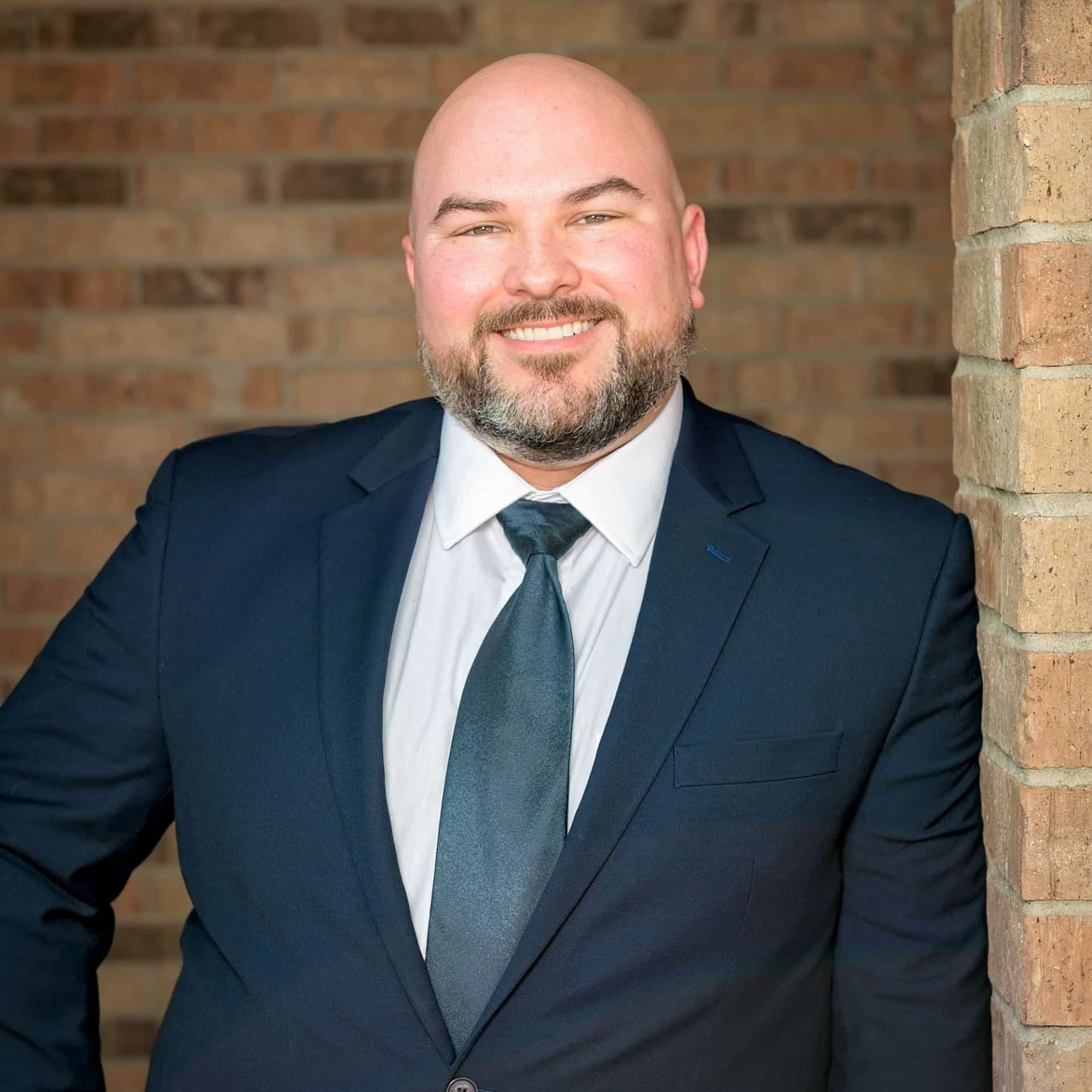
Meet Dr. O’Shee
Dr. Seth O’Shee is a proud Louisiana native and trusted family dentist serving the Baton Rouge community. Originally from Ville Platte, Dr. O’Shee brings a small-town warmth and personal touch to every appointment. He earned his Bachelor of Science in Biology from Louisiana State University and went on to complete his Doctor of Dental Surgery degree at the LSU Health Sciences Center School of Dentistry. Driven by a passion for both precision and patient connection, Dr. O’Shee finds deep satisfaction in using his hands to restore confidence through beautiful, healthy smiles.
As the lead dentist at O’Shee Family Dentistry, he emphasizes patient comfort, clinical excellence, and long-term relationships. Whether he’s treating a child at their first visit or helping an adult overcome dental anxiety, Dr. O’Shee’s compassionate approach ensures every patient feels heard and cared for. Outside of the office, he enjoys kayaking, playing video games, and cheering on LSU sports.