
How Restorative Dentistry Improves Oral Health and Function in Baton Rouge, LA
Family Dentistry That Goes Above and Beyond
Discover the Baton Rouge Dental Office That Gives You the Attention You Deserve
A cracked tooth, a deep cavity, or a gap where a tooth used to be does not just change how your smile looks. It changes how you eat, how you speak, and how the rest of your mouth holds up over time. Restorative dentistry rebuilds the structure of damaged or missing teeth, restoring the bite, the chewing pattern, and the clear speech that a healthy mouth depends on. At O’Shee Family Dentistry, we treat every restorative treatment as a chance to protect a patient’s long-term oral health, not just patch a single problem.
Dr. Seth O’Shee and the team believe that understanding why a restoration matters helps patients feel more confident walking into treatment, whether it is a simple filling or a full tooth replacement. Many patients wait far longer than they should to address a damaged tooth, assuming the problem is purely cosmetic. In reality, the way your teeth fit together affects nearly everything else your mouth does, and small issues left alone rarely stay small.
This Article Will Address
- Why chewing and speech often suffer when teeth are damaged or missing, and how restorations bring both back
- Whether treating a dental problem now can actually prevent bigger issues later
- How replacing a missing tooth protects the health of the jawbone underneath it
How Does Restorative Treatment Improve Chewing and Speech?
Restorative treatments rebuild the shape, size, and position of a tooth so your bite works the way it is meant to, which restores both chewing efficiency and clear pronunciation.
When a tooth is broken, decayed, or missing, people naturally shift their bite to avoid the problem area. Over time, that avoidance places uneven pressure on the remaining teeth and can wear them down faster than normal. It can also make it harder to break down food properly, which affects digestion and nutrition more than most people realize. Gaps left by missing teeth also change how the tongue and lips move, which can affect certain sounds, especially ones that rely on air passing cleanly between the teeth, such as “s,” “f,” and “th” sounds.
A few common ways restorative dental work brings function back:
- A dental crown rebuilds the chewing surface of a heavily damaged tooth, restoring the bite force needed to break down food normally.
- A tooth-colored filling stops the sensitivity that causes people to unconsciously chew on one side of the mouth.
- A dental implant restoration or bridge fills the space left by a missing tooth, giving the tongue and lips a stable surface to rest against so certain sounds come out clearly again.
- Dentures rebuild an entire arch of missing teeth at once, restoring the structure the tongue and cheeks depend on for both chewing and forming words.
For most patients, the change is noticeable almost immediately. Food that used to require careful, one-sided chewing becomes easy to manage again, and speech that had grown slightly slurred or muffled around a gap tends to sharpen back up within a few days of adjusting to the new restoration. It typically takes a short adjustment period to feel completely natural, but most patients describe the improvement as one of the most noticeable parts of the entire process.
Can Restorations Prevent Future Dental Problems?
Yes. Treating damage early, before it spreads, is one of the most effective ways restorative dental care protects a patient’s future oral health rather than simply reacting to pain.
A small cavity left untreated does not stay small. It continues to work its way toward the inner pulp of the tooth, where a simple filling is no longer enough and root canal therapy becomes the only way to save the tooth. The same is true for a cracked tooth: left alone, a small crack can spread until the tooth fractures beyond repair and has to be extracted. Restorative work steps in early enough to stop that progression before it reaches that point.
The same logic applies to missing teeth. When a gap is left unfilled, neighboring teeth begin to drift into the open space, which throws off the bite and makes those teeth harder to clean properly. That drifting often leads to new decay and gum irritation in spots that were previously healthy, turning one missing tooth into a much larger, more expensive problem over time.
A few examples of how early restorative treatment heads off bigger problems:
- Sealing a cavity with a filling before it reaches the nerve avoids a more invasive root canal therapy down the road.
- Placing a crown over a cracked tooth keeps the crack from spreading into a fracture that cannot be saved.
- Replacing a single missing tooth with an implant restoration or bridge keeps surrounding teeth from shifting out of alignment.
- Addressing early gum irritation around a shifting tooth can prevent the need for more advanced periodontal treatment later.
Choosing to treat a small problem today is almost always simpler, faster, and less costly than waiting for it to become a bigger one. It also tends to be far more comfortable, since early treatment usually means less invasive care.
How Does Tooth Replacement Support Jaw Health?
Replacing a missing tooth, especially with a restoration anchored in the jaw, keeps that section of bone stimulated, which helps prevent the bone loss and bite shifting that tend to follow untreated tooth loss.
The jawbone relies on the pressure of everyday chewing and biting to stay strong. When a tooth is missing, that section of bone no longer receives the stimulation it needs, and it can begin to shrink over time. As the bone changes shape, neighboring teeth can tilt or shift into the open space, which throws off the alignment of the bite and can eventually contribute to jaw discomfort, muscle tension, or an uneven bite that is harder to correct the longer it goes untreated.
Tooth replacement options address this in different ways depending on a patient’s needs:
- Dentures restore the ability to chew evenly across the jaw, helping distribute pressure the way natural teeth once did.
- A dental implant restoration replaces the root of the missing tooth, giving the jawbone ongoing stimulation similar to a natural tooth.
- A dental bridge anchors to the teeth on either side of the gap, helping keep those teeth from shifting while restoring the chewing surface.
Addressing a missing tooth sooner rather than later gives patients more options and generally leads to a more comfortable, stable bite long term. Waiting can sometimes mean additional preparatory treatment is needed before a permanent restoration can be placed, so earlier is almost always simpler.
Restore Your Smile’s Health at O’Shee Family Dentistry
If you are dealing with a damaged, decayed, or missing tooth, do not wait for the problem to grow. O’Shee Family Dentistry is open and welcoming new and returning patients in Baton Rouge, LA, offering a full menu of restorative treatments alongside our complete range of dental services, from tooth-colored fillings to full tooth replacement options. Dr. Seth O’Shee and the team take the time to walk you through every option so you understand exactly what to expect before, during, and after treatment. Schedule a consultation with our team today, and let us help you find the restoration that fits your smile, your bite, and your budget.
Sources
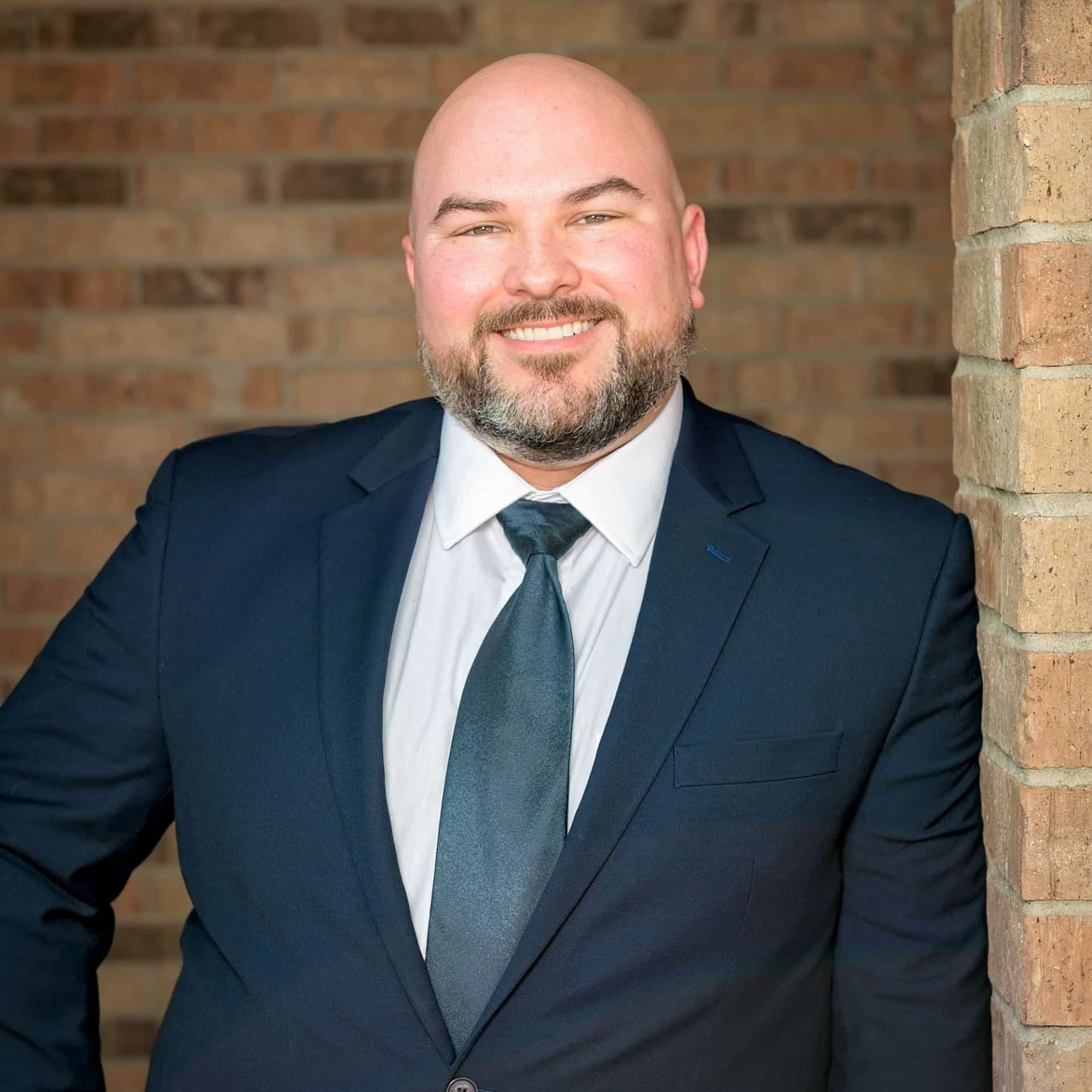
Meet Dr. O’Shee
Dr. Seth O’Shee is a proud Louisiana native and trusted family dentist serving the Baton Rouge community. Originally from Ville Platte, Dr. O’Shee brings a small-town warmth and personal touch to every appointment. He earned his Bachelor of Science in Biology from Louisiana State University and went on to complete his Doctor of Dental Surgery degree at the LSU Health Sciences Center School of Dentistry. Driven by a passion for both precision and patient connection, Dr. O’Shee finds deep satisfaction in using his hands to restore confidence through beautiful, healthy smiles.
As the lead dentist at O’Shee Family Dentistry, he emphasizes patient comfort, clinical excellence, and long-term relationships. Whether he’s treating a child at their first visit or helping an adult overcome dental anxiety, Dr. O’Shee’s compassionate approach ensures every patient feels heard and cared for. Outside of the office, he enjoys kayaking, playing video games, and cheering on LSU sports.