
Full Mouth Restorative Dentistry: When Multiple Teeth Need Repair
Family Dentistry That Goes Above and Beyond
Discover the Baton Rouge Dental Office That Gives You the Attention You Deserve
When several teeth are cracked, worn, decayed, or missing at the same time, repairing them one emergency at a time rarely holds up for long. Comprehensive restorative care replaces that patchwork approach with a single coordinated plan that rebuilds the health, function, and appearance of the entire mouth. At O’Shee Family Dentistry in Baton Rouge, LA, Dr. Seth O’Shee designs these plans for patients whose dental problems have reached the point where a filling here and a crown there no longer solves the underlying issue.
Some patients who come to us have postponed treatment for years because of anxiety. Others have watched old fillings fail and teeth wear down until chewing became uncomfortable. Either way, understanding how comprehensive treatment works is the first step toward a mouth that feels stable again.
This Article Will Address
- What this type of care means and how it differs from routine repairs
- The signs and conditions that make someone a candidate
- How our team builds a plan using 3D imaging and digital records
- The treatments most commonly combined in one plan
- Realistic timelines from the first exam to the final restoration
- How restorative care compares with a cosmetic smile makeover
What Is Full Mouth Restorative Dentistry?
It is a comprehensive approach that treats the teeth, gums, and bite together as one connected system rather than as a series of isolated problems. Rather than fixing only the tooth that hurts today, the dentist evaluates every tooth and sequences treatment toward one stable result.
This distinction matters because teeth depend on one another. A missing molar allows neighboring teeth to drift into the open space. A cracked tooth changes the way you bite, stressing the teeth around it. Worn enamel shortens the teeth and alters how the jaws meet. Treated one at a time without a larger plan, these problems can leave the bite unbalanced, and new restorations may fail sooner. A coordinated plan considers how every crown, bridge, and replacement tooth will function alongside the others, which is why this work sits at the heart of restorative dentistry rather than simple one-off repair.
Who Needs Full Mouth Restoration?
Patients who benefit from this care typically have problems affecting many teeth at once, along with discomfort or difficulty chewing that one or two restorations cannot correct. Common reasons include:
- Several teeth with large fillings that are breaking down, leaking, or developing new decay underneath
- Teeth that are cracked, chipped, or broken from an injury or years of heavy biting
- Severe enamel wear caused by grinding, clenching, or acid erosion
- Multiple missing teeth that make chewing and speaking more difficult
- Gum disease that has loosened teeth or contributed to bone loss
- Bite problems linked to jaw soreness, headaches, or uneven wear
One of these conditions alone does not automatically call for comprehensive treatment. The deciding factor is usually the combination: when decay, wear, and missing teeth occur together, a unified plan tends to outlast a string of separate repairs. Patients also adapt to gradual changes, and an exam often reveals someone has been chewing on one side for years to protect a sensitive tooth.
How Is a Treatment Plan for Multiple Teeth Created?
A treatment plan is created through a detailed evaluation of the teeth, gums, jaw joints, and bite, followed by digital imaging that lets Dr. O’Shee map out each step before work begins. Our team may use:
- Digital and panoramic X-rays to identify decay, infection, and bone levels throughout the mouth
- CBCT 3D imaging to examine bone volume and root anatomy where implants or root canal therapy may be needed
- A digital scanner to capture precise impressions without uncomfortable trays
- 3D-printed models that let Dr. O’Shee study your bite from every angle and preview how new restorations will fit together
Dr. O’Shee then explains what he found, which problems are most urgent, and which options fit each part of the mouth. Most plans are organized in phases. Infection, pain, and gum disease come first, because restorations placed on an unhealthy foundation are less likely to last. Structural repairs and tooth replacement follow, and cosmetic refinements, if desired, come last. A member of the Academy of General Dentistry and the American Dental Association, Dr. O’Shee walks every patient through each phase so decisions about care, scheduling, and cost are fully informed.
What Treatments Are Involved in Rebuilding Your Smile?
The treatments depend on your diagnosis, but most plans combine procedures that treat disease, repair damaged teeth, and replace missing ones. Few patients need every service below.
Treating Infection and Stabilizing Oral Health
Root canal therapy removes infection from inside a tooth so that it can be saved rather than removed. Teeth that cannot be predictably saved may be taken out through a gentle extraction. Gum disease is treated early so that the tissues supporting your teeth can heal before any permanent restorations are placed.
Repairing Damaged and Worn Teeth
Tooth-colored fillings repair smaller areas of decay, while dental crowns cover and strengthen teeth that are cracked, heavily filled, or severely worn. Crowns can also restore lost tooth height and help correct how the teeth meet.
Replacing Missing Teeth
Bridges fill gaps by anchoring replacement teeth to the teeth on either side. Once implants have healed, our team completes them with custom dental implant restorations designed from digital scans. For patients missing many or all teeth in an arch, full and partial dentures restore chewing ability and support the natural shape of the face.
Staying Comfortable Throughout a Multi-Visit Plan
Comprehensive care involves several appointments, which can feel daunting for patients who have avoided the dentist. Our team, including clinical lead Desiree Moreau, explains what each visit will involve ahead of time, and nitrous oxide and oral sedation are available for patients who feel anxious. Many of our patients tell us they felt like part of the family by their second appointment.
How Long Does Full Mouth Reconstruction Take?
Most comprehensive plans take a few months to about a year, depending on how many teeth are involved and whether any steps require healing time. Plans built mainly around crowns and fillings often finish within several months, while those involving extractions, gum treatment, or implants take longer.
Healing, not chair time, usually sets the pace. Gums need time to respond to periodontal treatment, extraction sites must heal before a bridge or denture fits properly, and implants generally need several months to fuse with the jawbone. Meanwhile, temporary restorations let you eat, speak, and smile normally. Factors that can shorten or extend your timeline include:
- The number of teeth requiring treatment and the complexity of each
- Whether infection or gum disease must be resolved first
- Healing time following extractions or implant placement
- Your schedule and budget, if you prefer to complete care in stages
Some steps move faster than expected, since our office offers same-day crowns for suitable teeth. Dr. O’Shee provides an estimated timeline during planning and updates it as treatment progresses.
How Is This Different from a Cosmetic Smile Makeover?
The main difference is purpose: comprehensive restorative care focuses first on health and function, while a smile makeover focuses primarily on appearance. A makeover might include whitening, porcelain veneers, or composite bonding for healthy teeth that are discolored or uneven. A restorative plan addresses the decay, damage, and missing teeth that affect how the mouth works.
The two frequently overlap. Crowns and bridges placed for strength are designed to look natural, and many patients add cosmetic treatments during the final phase. The key is sequence. Cosmetic work placed over untreated decay or an unstable bite will not last, which is why Dr. O’Shee addresses oral health before aesthetics. Because our practice offers preventive, restorative, and cosmetic dental services under one roof, patients move between phases without being sent elsewhere.
Schedule Your Restorative Treatment Consultation with Dr. O’Shee Today
If several of your teeth need attention, you do not have to sort out the solution on your own. O’Shee Family Dentistry is currently welcoming new and returning patients for restorative consultations, and our team would be glad to answer your questions about comprehensive treatment. Reach us by phone, email, or online form Monday through Friday from 8:00 AM to 5:00 PM to schedule your restorative consultation with Dr. O’Shee in Baton Rouge, LA.
Sources
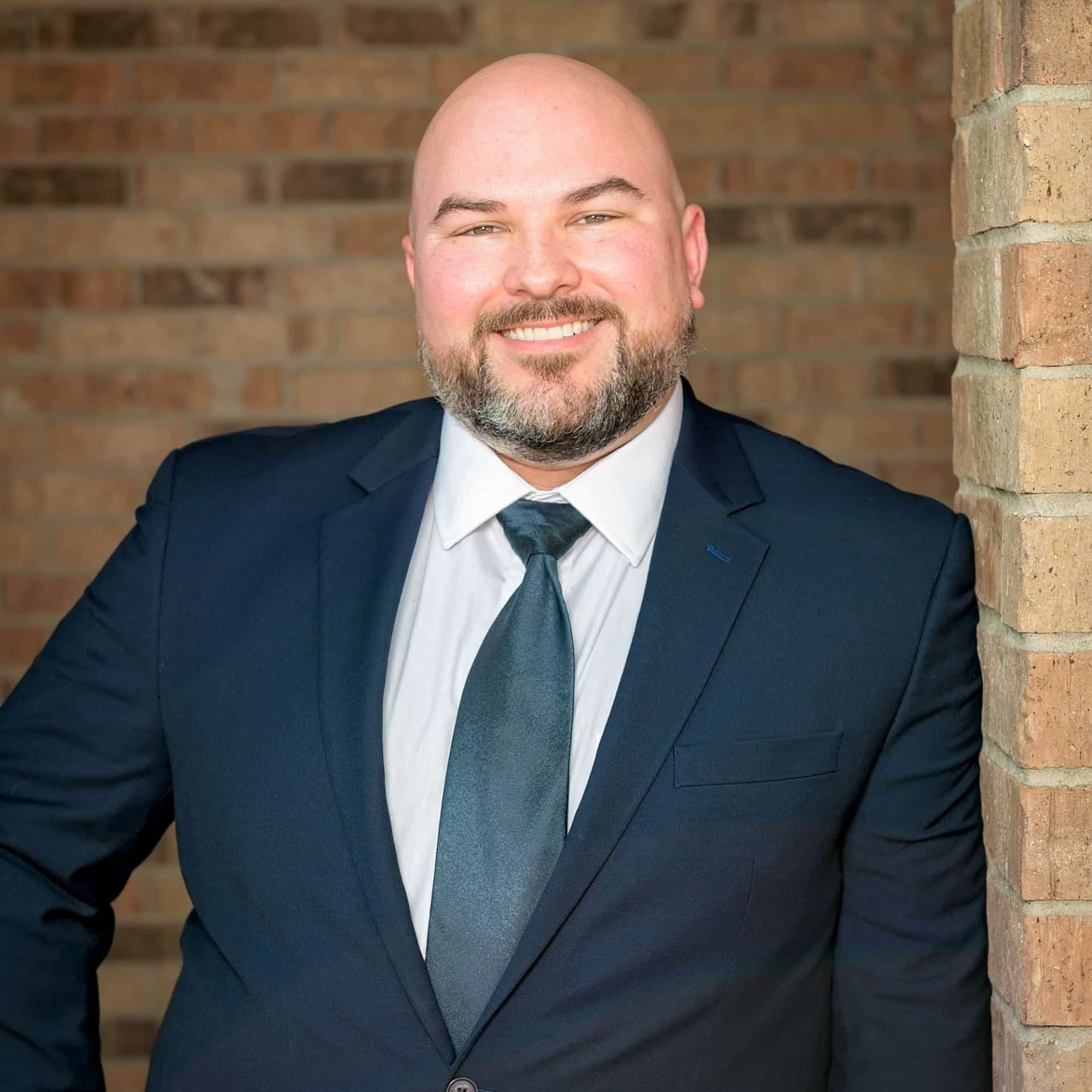
Meet Dr. O’Shee
Dr. Seth O’Shee is a proud Louisiana native and trusted family dentist serving the Baton Rouge community. Originally from Ville Platte, Dr. O’Shee brings a small-town warmth and personal touch to every appointment. He earned his Bachelor of Science in Biology from Louisiana State University and went on to complete his Doctor of Dental Surgery degree at the LSU Health Sciences Center School of Dentistry. Driven by a passion for both precision and patient connection, Dr. O’Shee finds deep satisfaction in using his hands to restore confidence through beautiful, healthy smiles.
As the lead dentist at O’Shee Family Dentistry, he emphasizes patient comfort, clinical excellence, and long-term relationships. Whether he’s treating a child at their first visit or helping an adult overcome dental anxiety, Dr. O’Shee’s compassionate approach ensures every patient feels heard and cared for. Outside of the office, he enjoys kayaking, playing video games, and cheering on LSU sports.